
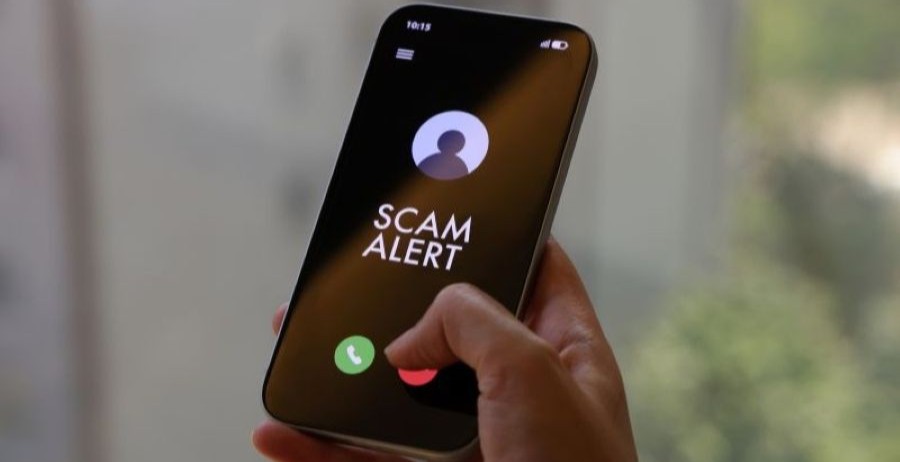

Part 5: What Is a Scam? How to Stay Safe and Avoid Rip-Offs After Prison
It’s tough enough rebuilding your life after prison without someone trying to scam you. But the truth is, scammers and rip-off artists often target people who are struggling or just starting over. They know you might be looking for work, loans, or a fresh start, and they’ll say anything to get money or your personal information.
Scams are on the rise like never before. In 2024, consumers reported losing more than $12.5 billion to fraud, a 25% increase over the previous year. Online scams alone caused record losses of $16.6 billion, up 33% from the year before. Imposter scams, where crooks pretend to be someone you trust, led to nearly $3 billion in losses from over 845,000 reports.
Identity fraud and scams cost Americans $47 billion last year, with 91% of people saying scams feel more sophisticated than ever. And people who have been incarcerated aren’t safe either; scammers use private information to trick families into paying money for fake promises of early release or other favors.
Knowing what a scam is and how to spot it can make a huge difference.
How to Spot Common Scams
Common scams change all the time, but the tricks are usually the same. Here are some of the most common ones:
- “Miracle” Loans: If someone promises you a loan or credit card with “no credit check” or “guaranteed approval” but asks for a fee upfront, it’s almost always a scam. Real lenders don’t ask for money before they give you a loan.
- Card Skimming: Crooks put fake devices on ATMs or gas pumps to steal your card info. If a card reader looks loose, bulky, or just odd, don’t use it. Cover the keypad when you enter your PIN.
- Phony Job Offers: If a job posting sounds too good to be true, or they ask for money to “process” your application, it’s a scam. Real jobs pay you—they don’t ask you to pay them.
- Government Impersonators: Scammers may call or email pretending to be from the IRS, Social Security Administration, or law enforcement. They might threaten you with jail or fines unless you pay right away. Real government agencies never demand payment over the phone or by gift card.
- Fake Reentry Help: Some scammers pretend to be from reentry programs and ask for your social security number or bank info to “help” you get benefits or housing. If in doubt, call the program directly using a number from a government or trusted website.
How to Keep Your Information Safe
- Don’t Share Personal Details: Never give out your social security number, bank account info, or card details to anyone unless you know for sure who you’re dealing with and why they need it.
- Use Strong, Unique Passwords: Don’t use the same password for everything. Try to use a mix of letters, numbers, and symbols. Consider writing your passwords down and keeping them in a safe place or using a password manager.
- Check Your Statements: Look over your bank and credit card statements regularly. If you see charges you don’t recognize, contact your bank right away.
- Be Careful Online: Only enter sensitive info on secure websites (look for “https” in the address). Don’t click links in emails or texts from people you don’t know.
What to Do If You Think You’ve Been Scammed
- Act Fast: If you gave out your bank or card info, call your bank immediately to freeze or close your account. If you sent money, report it to the police and your bank.
- Report the Scam: You can report scams to the Federal Trade Commission at reportfraud.ftc.gov or call your state’s consumer protection office.
- Get Help: If someone is threatening you or you’ve lost money to a scam, talk to your probation/parole officer or legal aid. There’s no shame in getting scammed. Many crooks are professionals, and it happens to people from all walks of life.
- Learn and Share: Once you take action, let others in your community know about the scam. The more people know, the harder it is for scammers to succeed.
Useful Resources for Staying Safe
- Federal Trade Commission Scam Alerts: Up-to-date info on the newest scams and how to avoid them.
- Report the Fraud
- Report Identity Theft
Keep This in Your Pocket
Scammers are good at what they do. If you ever feel uncertain, slow down and check things out before you share info or send money. Trust your gut—if something feels off, it probably is. Staying safe is just another step on your way to a better future.
Next up: Building real security—protecting your money, credit, and future as you rebuild your life.