Finding Hope: Drug and Alcohol Support for Returning Citizens
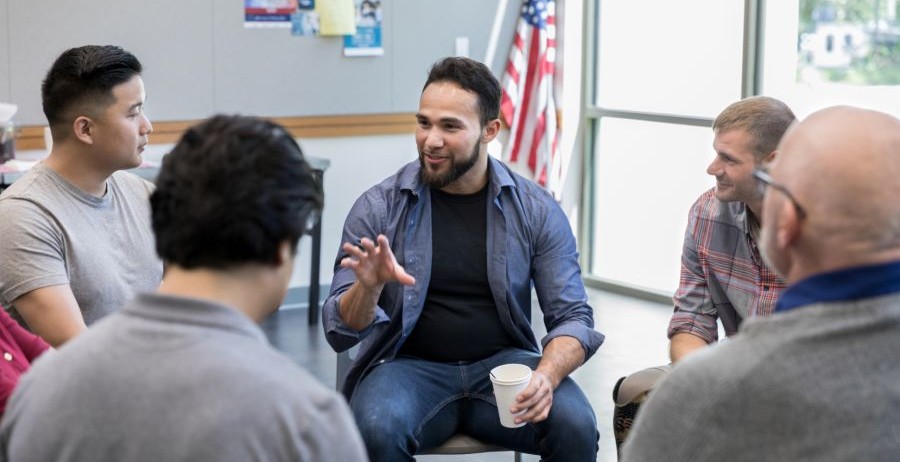
Walking out of prison can be a shock. The world has changed while you were gone, and suddenly you’re supposed to catch up and keep pace with everyone who has been running this marathon the whole time.
For people with a history of substance use, even day-to-day activities can be a struggle.
The good news is that there’s real help out there. Even if it takes a little digging (or the right conversation) to find it.
Podcast: Light at the End of the Tunnel
It’s no secret: addiction and incarceration are tangled up for so many people. The statistics are clear, most people behind bars have struggled with drugs or alcohol, and the stretch right after release is when those urges are hardest to fight.
Relapsing isn’t just a bad day, it can spiral into tragedy, whether that means overdose, or winding up in handcuffs again (National Institute on Drug Abuse). If support is in place, real support, not just some checkbox at the probation office, the odds start to improve in your favor.
You don’t need to take our word for it. On Episode 17 of The Death or Prison Podcast, “Light at the End of the Tunnel,” Evert Doyle shares what it’s like on the ground. Evert, who leads the Anchor House recovery housing, knows from experience that a safe place and caring community can change the whole trajectory of a returning citizen’s life.
He talks honestly about the challenges, but even more about the hope, the small steps forward, and the sense of possibility, something too many people forget when they just see a record.
What’s Waiting on the Outside
It’s not just about keeping off drugs. Life after prison brings waves of new challenges to overcome:
- Lack of family or friends you can rely on, and not a lot of cash (or any at all)
- Applying for jobs, only to get the silent treatment when the background check pops up
- Facing days where you don’t know where you’ll spend the night
- The weight of suspicion and judgment
- Your health, physical and mental, can unravel fast (Verywell Mind)
And when you put all that together, staying in recovery is way more than just “willpower”. You need the right people and the right resources in your corner.
Where to Find Real Help
No single program works for everyone. And that’s OK. Some folks need the structure of inpatient rehab; others thrive with a mentor who’s walked the same path.
- Anchor House Recovery Housing: Evert Doyle isn’t just talking about hope—he’s part of building it. Through Anchor House, returning citizens can find safe housing and a supportive environment. You can hear more about the approach and what actually helps by listening in to The Death or Prison Podcast Episode 17.
- Substance Abuse and Mental Health Services Administration (SAMHSA): This federal agency is the go-to for finding treatment centers, hotlines, and referrals. SAMHSA, Find Treatment
- Peer Coaches: Sometimes, what you need most is someone who isn’t shocked by your story. Peer coaches have survived the system, faced the hard days in recovery, and know what it’s like to feel lost—and they stick with you as you rebuild. Connect With a Mentor
- 12-Step and Local Recovery Groups: Groups like AA, NA, or neighborhood-specific meetings offer both structure and an understanding ear.
- Aftercare and Reentry Programs: Some states now offer more hands-on support with housing, job placement, counseling, and more. CDCR After-Prison Programs
- Health Connections: The CDC and other agencies push for “linkage to care,” which really means helping you get connected to medical and mental health professionals right when you get out. CDC Correctional Health
When You Need a Map, Not a Maze
Sometimes you just want to see what resources are around you, fast. The GEO Reentry Connect Resource Map makes it easy: plug in your location and you’ll find treatment providers, peer support meetings, housing assistance, and other crucial resources, all within a few clicks.
How Real Struggles Can Lead to Real Hope
There’s no sugarcoating it, recovery after prison can be hard. You may feel invisible, written off, or overwhelmed. But you don’t have to do it alone. From podcasts like “Death or Prison” that show the way forward, to organizations like Anchor House and resource guides from GEO Reentry Connect, help is close by, or sometimes just a conversation away.
If it’s your time for a fresh start, you can begin by exploring SAMHSA, browsing the GEO Reentry Connect map, or hearing real stories that prove change is possible. No journey back is easy, but it can be done, and nobody should have to take those first steps in the dark.