When the Streets Feel Like Your Only Option, There Is Another Way
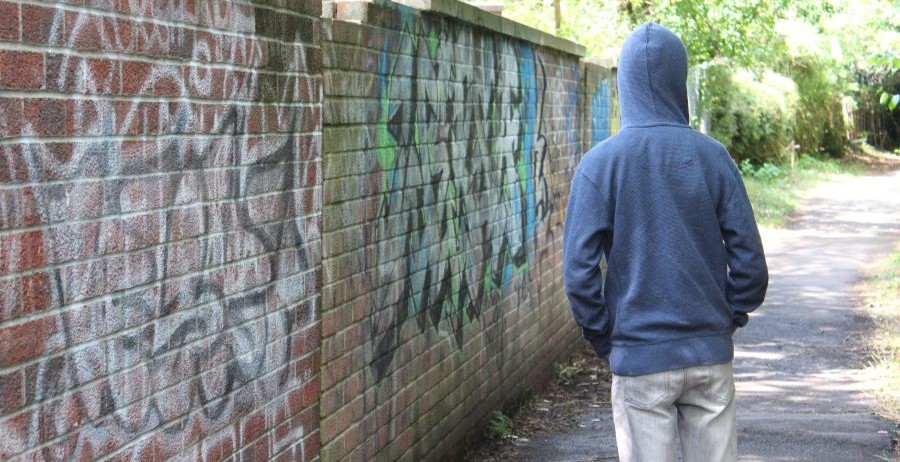
Gang involvement and gang violence often starts with the search for belonging, protection, or a way to get by. No matter where you are today, your story is not finished. Another path is possible.
If you’re reading this, you or someone you care about might be standing at a crossroads. Maybe you’re worried about a friend getting into trouble. Maybe you’re a parent, counselor, or mentor trying to help someone find their way before things get worse.
Gang violence doesn’t start with a single bad decision. It’s rarely as simple as people make it sound. It starts with feeling boxed in. It starts with wanting to belong. It starts with needing money to pay the bills, protecting your family, or just making it through another day.
Life can put people under a lot of pressure. When opportunities feel out of reach and the people around you are pulling you in a certain direction, the wrong path can start to feel like the only path.
But it isn’t.
There is another way forward. It may not be easy. It may not happen overnight. But it is possible.
Nobody Plans for This
For most people, it doesn’t happen all at once. It’s a series of circumstances, relationships, and decisions that slowly narrow the choices in front of them.
Maybe it’s family.
Maybe it’s fear.
Maybe it’s loneliness.
Maybe it’s the feeling that everyone else has opportunities you don’t.
For some people, gangs offer protection. For others, they offer acceptance. Sometimes they provide the sense of belonging that’s missing somewhere else. That’s what makes this issue more complicated than most people realize.
If you’re standing at that edge, or feel like you’re already in too deep, please read on.
The people who care about you aren’t just trying to keep you out of trouble. They’re trying to help you see possibilities you may not see right now. They want you to have choices. They want you to have opportunities. They want you to build a future that isn’t limited by where you started.
And if you’re already involved, remember this: people change their lives every day.
HE GOT 80 YEARS IN PRISON FOR…
What Actually Helps
Let’s skip the lectures and talk about what you can do to help.
1. Find a Safe Place
Sometimes the most powerful thing you can do is walk through a different door. Youth centers, after-school programs, churches, sports teams, and community organizations can connect you with people who want to see you succeed. They offer opportunities to build friendships, learn new skills, and spend time in places where positive influences are the norm.
2. Talk to People Who Get It
You don’t have to tell your whole story to a stranger. But it helps to talk to someone who understands what you’re going through. That could be a school counselor, mentor, reentry professional, or community advocate.
Organizations like Cure Violence and Violence Interrupters connect people with individuals who have firsthand experience helping others navigate difficult situations and make positive changes. Sometimes having someone listen without judgment is the first step toward seeing a different future.
3. Learn New Skills
Jobs aren’t just about money. They’re about having options. The more skills you have, the more choices you create for yourself.
Programs like Job Corps and America Works help people prepare for employment, build confidence, and connect with opportunities that can lead to greater independence. A skill won’t solve every problem overnight, but it can open doors that once felt closed.
4. Remember You’re More Than Your Worst Moment
Maybe you’ve made choices you regret. Maybe you’ve been told you’ll never change. Maybe you’ve stopped believing in yourself.
Don’t. One mistake doesn’t define your life. Many people have rebuilt their lives after gang involvement, incarceration, addiction, and other challenges. Your story is still being written.
For Families and Counselors: How to Help Without Pushing Away
Loving someone who’s headed down a dangerous path can feel devastating. You want to help. You want to protect them. You want them to see what you see. But anyone who’s been there knows it doesn’t usually work that way.
People rarely change because they were lectured into it. More often, they change because they felt supported enough to believe that a different life was possible.
If you’re trying to help someone, here are a few things that can make a real difference.
1. Listen First
Sometimes the most powerful thing you can do is listen. Not the kind of listening where you’re waiting for your turn to talk, but the kind where you genuinely try to understand what someone is experiencing. People are more willing to accept help when they feel heard.
2. Set Boundaries with Love
It’s okay to have rules. It’s okay to expect accountability. But boundaries work best when they’re rooted in care, not anger. People need structure, but they also need to know they haven’t lost your support.
3. Celebrate Progress
Progress isn’t always dramatic. Sometimes it’s staying out of trouble for one more week. Sometimes it’s keeping a job. Sometimes it’s doing what they said they would. Those moments matter. Recognizing small victories can help build momentum toward bigger ones.
4. Connect Them with Positive Support
No family should carry this alone. Mentors, counselors, support groups, and community organizations can provide guidance, encouragement, and perspective.
Programs such as Big Brothers Big Sisters and local peer mentoring initiatives help connect people with positive role models and support networks.
5. Keep the Door Open
There will be setbacks. There will be disappointments. There may be moments when it feels like nothing is changing.
Keep showing up. One of the most powerful things someone can hear is: “I’m disappointed in what happened, but I’m not giving up on you.”
6. Take Care of Yourself, Too
Supporting someone through difficult circumstances can be exhausting. You’re entitled to need support, too. It’s okay to ask for help. Talk to a counselor, join a support group, and lean on people that you trust.
You can’t help someone else if you’re running on empty.
One Last Thing
If you’re feeling stuck, scared, overwhelmed, or unsure where to turn, remember this:
There are people who care. There are people who want to help. There are people who have been where you are and found a way forward.
The first step doesn’t have to be a big one. It can be a conversation. A phone call. A visit to a community center. A decision to ask for help.
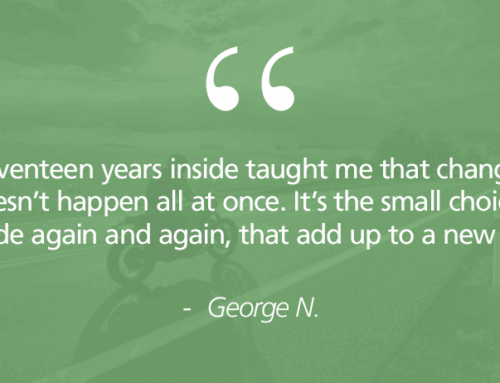
A different future doesn’t happen all at once. It happens one choice at a time. So, if you’re tired of carrying it all on your own, reach out. No matter what’s happened so far, YOU still get to decide what happens next.
Resources for Help
- GEO Reentry Connect Resource Map – Search for local youth reentry resources, community service opportunities, housing assistance, employment support, behavioral health programs, and more.
- National Gang Center – Help and Support
- Youth.gov – Gang Prevention Resources
- Cure Violence
- Violence Interrupters
- Job Corps
- America Works
- Boys & Girls Clubs of America
- Big Brothers Big Sisters
If you need someone to talk to right now, contact the Crisis Text Line by texting HOME to 741741.