Seventeen Years Lost, A New Life Gained
George N. grew up in New York, surrounded by a supportive family and what many would call an ideal childhood. Yet, amid that stability, he often felt out of place. That gnawing sense of not fitting in would follow him into adulthood, setting the stage for choices that would change the course of his life.
For George, the road to incarceration was paved with a mix of unresolved trauma, substance use, and a series of poor decisions. Like many who find themselves entangled in the justice system, he struggled with challenges that compounded over time. Instead of facing the root causes head-on, he tried to outrun them—until he couldn’t anymore. Seventeen years, spread over three separate sentences, became the price of looking away.
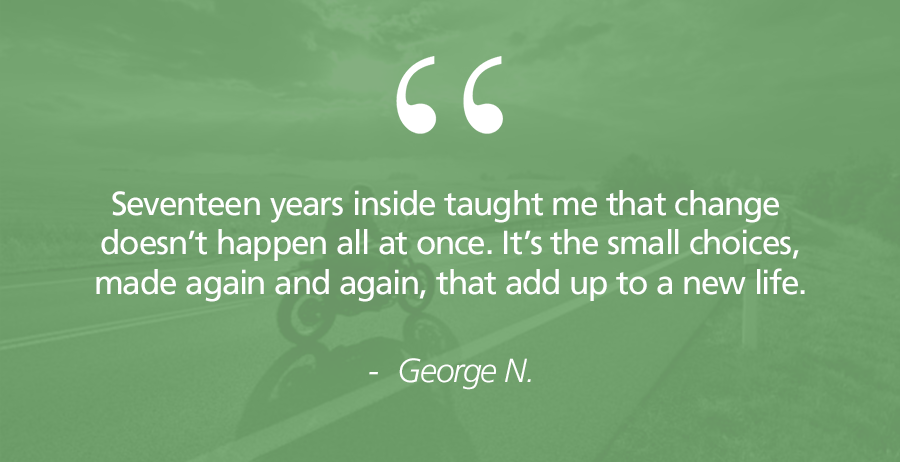
Prison, for George, was an unexpected turning point. The forced pause gave him no choice but to confront his past and take responsibility for his actions. Inside, he gravitated toward programs centered on recovery, education, and personal growth. He joined recovery groups and peer-led support circles, focusing on accountability, emotional health, and building new coping skills. Education became his lifeline, as did learning about trauma, leadership, and effective communication. Through this journey, George discovered that real change is not only possible, but necessary.
By the time he was released, George was not the same person who first entered the system. He was determined to use his hard-won experience to help others avoid the pitfalls that had once trapped him.
The Challenge of Coming Home
After nearly two decades away, George returned to a world transformed by new technology, social norms, and daily routines. Even basic tasks—managing his time, making decisions, dealing with social situations—required conscious effort. Alongside these practical hurdles, he also had to rebuild trust and stability, both within himself and with those around him.
The support George received made all the difference. Through the GEO Reentry program, he found a halfway house that offered structure and stability. As a veteran, he also accessed the Supportive Services for Veteran Families (SSVF) program, which provided essentials like clothing for job interviews. These resources cleared the immediate barriers so he could focus on recovery, building new skills, and forging a path forward.
George’s support network—a mix of family, recovery peers, colleagues, mentors, and his partner Ashley—helped him stay grounded and accountable. These connections became his foundation, reminding him that no one truly succeeds alone.
Lessons for Returning Citizens
George’s experience offers practical advice for others returning home: focus on the next right step, rather than the mountain ahead. Reentry is overwhelming, but progress is made through small, consistent victories. He encourages others to seek out positive influences, mentors, and programs that foster growth and accountability. The company you keep, he believes, can make all the difference.
He also urges humility and a willingness to learn. The world may be different, but growth happens by asking questions and accepting guidance. Most importantly, George’s story is proof that the past does not have to dictate the future. With discipline, recovery, and support, building a meaningful life after incarceration is not just possible—it’s within reach.
Lessons for Reentry Professionals
For those working in the reentry field, George’s journey is a reminder that the right support, especially in the first months after release, can be life changing. Housing, employment resources, and access to recovery programs do more than meet basic needs—they create stability and hope. Professionals should remember that accountability is vital, but so is compassion. Many people returning home need someone to believe in them before they can believe in themselves.
Encouragement, practical support, and genuine belief in a person’s potential are as important as any formal program. Every success story starts with someone who was willing to try, even when the odds seemed stacked against them.
Looking Back, Looking Forward
If George could offer advice to his younger self, it would be to slow down, take responsibility, and never mistake asking for help as weakness. He would remind that version of himself that value and purpose were always there, even if it took hardship to realize it.
Today, George dedicates his life to helping others find their footing after prison. Through his own actions, he shows that real change is possible, one decision, one step, and one second chance at a time.